Why Cravings Are Subconscious (And Why Willpower Isn’t Enough)
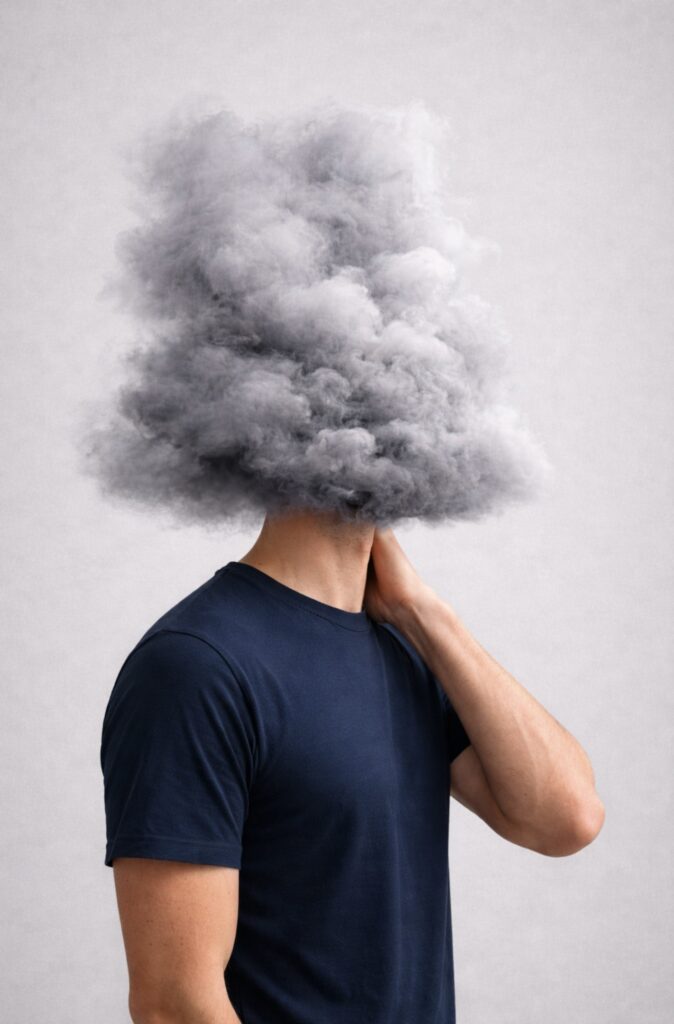
Many people believe cravings are a sign of weak willpower. However, in reality, cravings are subconscious responses, driven by the brain’s automatic learning systems rather than conscious choice.
This is why people often find themselves reaching for a cigarette, alcohol, or another familiar habit before they’ve even had time to think. Understanding why cravings are subconscious is therefore the first step toward lasting behavioural change.
What Are Cravings, Really?
The brain does not generate cravings at random. Instead, they are conditioned neurological responses, formed through repetition, emotional association, and stress regulation.
When a behaviour repeatedly brings relief, comfort, or reward, the brain learns:
“This helps me cope.”
Over time, this learning becomes automatic. As a result, the subconscious mind takes over.
The subconscious mind’s role is efficiency. It runs patterns quickly, outside conscious awareness, in order to conserve energy and maintain a sense of safety and regulation. Consequently, once a pattern is learned, it no longer requires deliberate decision-making.
The Brain and Subconscious Habit Loops
The brain’s habit circuitry closely links cravings to reward, emotion, and survival.
Once a habit is established:
- Triggers (such as stress, boredom, or social cues) activate the loop
- The brain predicts relief
- A craving is generated
- Behaviour follows automatically
Crucially, this process happens before conscious reasoning can intervene.
That’s why many people say:
“I don’t even know why I did it.”
From a neuroscience perspective, this makes sense. Research highlighted by organisations such as the American Psychological Association shows that automatic behaviours are shaped by learning, emotion, and reinforcement — not moral failure or lack of character.
This also explains why habits like smoking can feel so reflexive. Often, the hand reaches for a cigarette before the conscious mind has caught up, because the brain has already predicted relief.
Why Willpower Alone Rarely Works
Willpower operates at a conscious level. Cravings, by contrast, originate subconsciously. As a result, there is a fundamental mismatch.
- Conscious mind says: “I want to stop.”
- Subconscious mind says: “This keeps me safe.”
When stress levels rise, the brain prioritises speed and familiarity. Logical thinking is overridden by faster emotional and survival-based responses. Consequently:
- People often relapse during stress
- Motivation fluctuates
- “White-knuckling” change feels exhausting
Importantly, the issue is not lack of desire or commitment. Rather, the underlying pattern simply hasn’t been rewired at the level where it was learned.
Why Cravings Feel So Physical
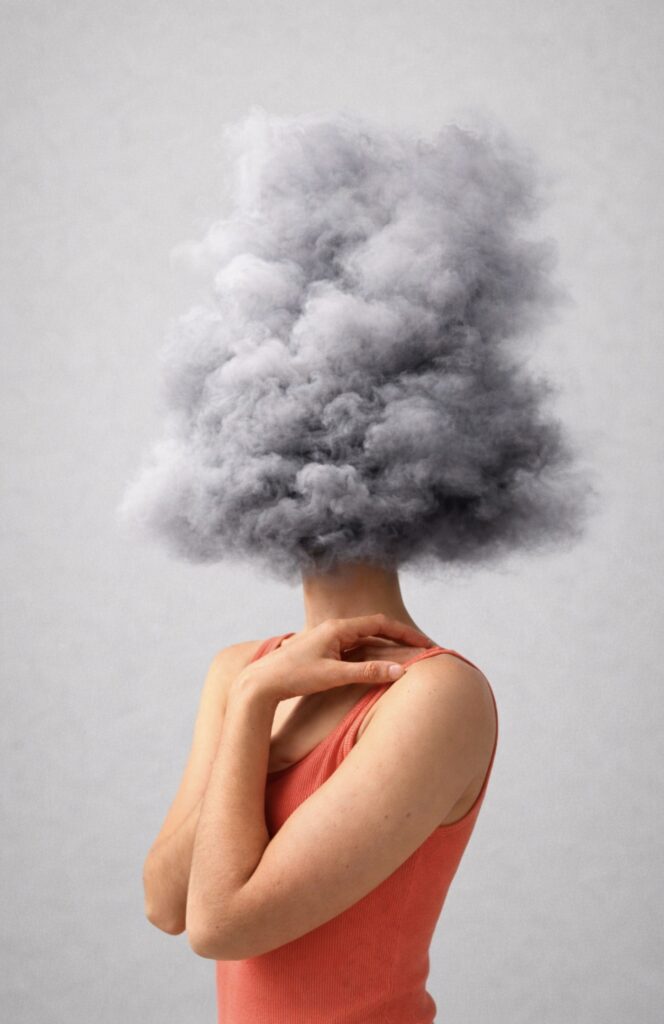
Cravings are often experienced in the body, not just the mind. For example:
- Tightness in the chest
- Restlessness
- Salivation
- A sense of urgency or agitation
This happens because subconscious patterns are stored not only as thoughts, but also as sensory, emotional, and bodily memory.
Over time, the nervous system learns to associate a substance or behaviour – such as smoking or drinking – with regulation. When that behaviour is unavailable, the body signals distress, even when there is no physical dependence present.
How Hypnotherapy Works With Subconscious Cravings
Hypnotherapy works at the level where cravings are formed – the subconscious mind.
Rather than fighting urges, hypnotherapy helps to:
- Change the emotional associations linked to the habit
- Reduce the brain’s expectation of reward
- Reframe triggers at a subconscious level
- Strengthen a felt sense of internal control
By working beneath conscious awareness, the brain is able to update old associations, so it no longer predicts relief from the behaviour. As a result, cravings often reduce naturally and quietly, rather than through force or constant self-control.
Many clients report that urges feel:
- Weaker
- Less frequent
- Easier to ignore
- Emotionally neutral
This is why hypnotherapy can be particularly effective for behaviours such as smoking and alcohol use, where habit learning and emotional regulation play a central role.
Cravings Are Learned — Which Means They Can Be Unlearned
The most important thing to understand is this:
If cravings are learned responses, they are also changeable responses.
When the subconscious no longer links a behaviour with safety or relief, the craving loses its purpose. Therefore, change is not about control or discipline – it’s about retraining the brain and nervous system.
When to Seek Support
If you feel stuck in a cycle of:
- Repeated attempts to stop
- Doing well until stress hits
- Feeling frustrated or ashamed about cravings
It may be time to work with your subconscious rather than against it.
Hypnotherapy offers a calm, respectful way to address the root patterns driving cravings – without judgement, pressure, or reliance on willpower alone.
Want to Take the Next Step?
Learn how hypnotherapy can support lasting behavioural change by visiting our Hypnotherapy for Addiction service page.
Academic References
American Psychological Association. (2023). Habits and behaviour change.
Everitt, B. J., & Robbins, T. W. (2016). Drug addiction: Updating actions to habits to compulsions. Annual Review of Psychology, 67, 23–50.
Marlatt, G. A., & Donovan, D. M. (2005). Relapse prevention: Maintenance strategies in the treatment of addictive behaviors. Guilford Press.
Porges, S. W. (2011). The polyvagal theory: Neurophysiological foundations of emotions, attachment, communication, and self-regulation. Norton.
Shapiro, F. (2018). Eye Movement Desensitization and Reprocessing (EMDR) therapy: Basic principles, protocols, and procedures (3rd ed.). Guilford Press.